
Vestibular testing in children
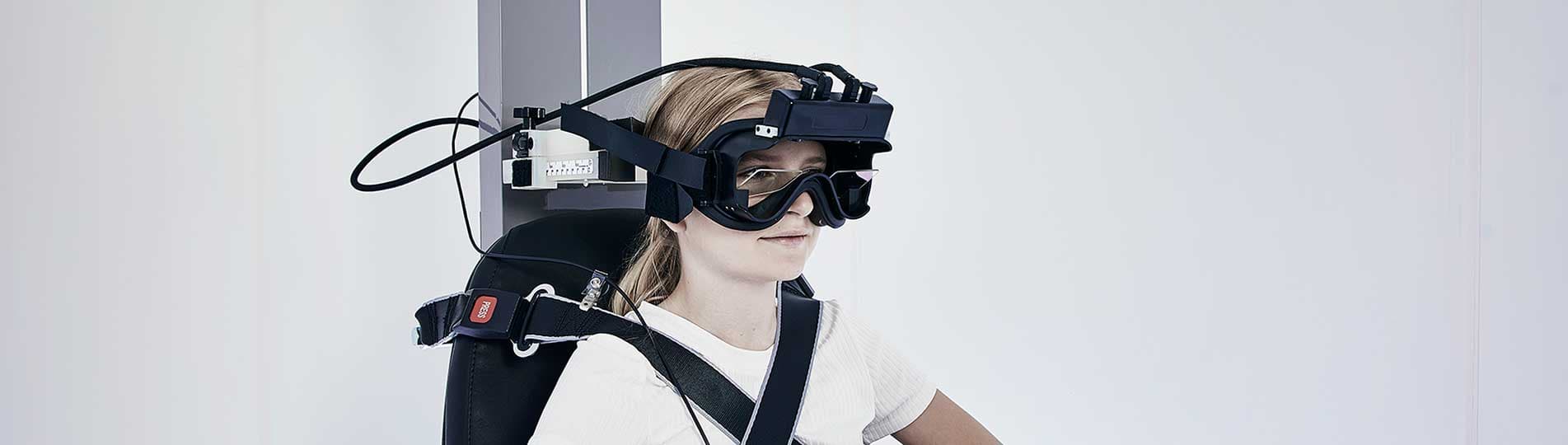
When we think about the causes of vertigo and disequilibrium in children, it can be useful to separate this population into those with, and those without, hearing loss.
For those children without hearing loss, the most common causes of vertigo include migraine and its pediatric variants, such as benign paroxysmal vertigo of childhood.
In addition, vertigo or imbalance can commonly be the presenting symptoms in the setting of conversion disorders or as physical manifestations of a mental health disorder.
In contrast, children with hearing loss often present not with symptoms of vertigo but rather disequilibrium due to either congenital or acquired vestibular impairment related to the etiology of their deafness.
The connection between hearing loss and vestibular disorders
In fact, 70% of children with sensorineural hearing loss will have some form of vestibular end-organ impairment on objective testing.
These sensory deficits along with their hearing loss translate into motor delays and impairments that can be lifelong.
Specifically, these children will walk late and have difficulty performing important developmental tasks of childhood.
We are also beginning to understand that vertigo and disequilibrium in children can also impact learning and memory and thus their performance in the classroom.
Systems I use for diagnosing children
Accurate diagnosis of a peripheral vestibular disorder in a child can occur through the combination of a thorough history and physical examination supported by objective measures.
In our clinics, we make frequent use of objective measures, including:
- Video head impulse testing (vHIT)
- Virtual subjective visual vertical (SVV)
- Videonystagmography (VNG) with calorics
- Vestibular-evoked myogenic potentials (VEMPs)
These allow us to probe the entire complement of vestibular end-organs.
Pediatric testing differs from the adult domain
While the same methods and equipment can be applied in both the adult and pediatric domains, some modifications are required in testing methods to be successful in children.
For example, having two testers, a child-friendly environment with appropriate visual targets, seating them on their parent’s lap, having rewards available and so forth can increase the yield of testing.
Children often move their eyes and themselves a lot more than adults throughout testing, which may impact the reliability of the results.
The same applies to their larger pupil size and smaller heads.
The advantages of using objective measures
While a thorough clinical exam should never be replaced with objective measures alone, there are many advantages to the addition of such measures, including the ability to focus on the collection of the data to review the results.
Objective measures such as vHIT also allow us to detect covert signs of vestibular impairment that would otherwise be missed.