Electrode Tips & Tricks

By Interacoustics
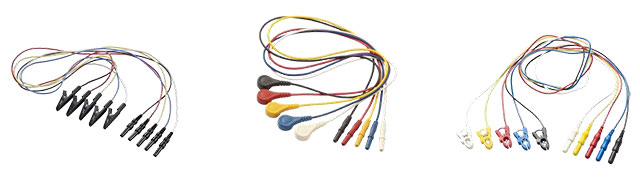
From left to right: Alligator cables, button cables, and pinch cables


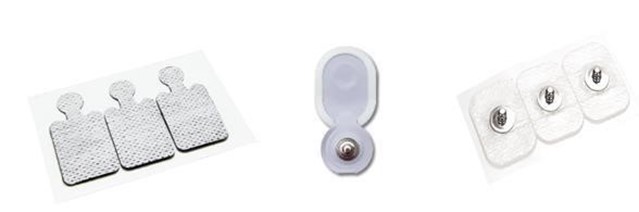
From left to right: Sanibel tab electrodes, Ambu Neuroline720, and Sanibel Snap electrodes


To ensure the optimal use of your Sanibel disposable tab or snap electrodes, please observe the following:

  • Ensure that the skin is clean and dry before placing the electrode
    • It is recommended to use an alcohol wipe or similar to clean the skin
    • If your patient's skin is sweaty or very oily, an alternative electrode with stronger adhesion, Ambu Neuroline 720 (part number 8500060), is recommended for use
  • When applying electrodes to the skin, press down firmly on the entire electrode surface to improve adhesion
  • Use a small amount of conductive electrode gel to improve impedances, if required
  • Use pinch or button cables for snap electrodes and alligator cables for tab electrodes
  • Electrode adhesion time is limited to a maximum of 1 hour
  • Store unused electrodes in unopened pouches at temperatures 5°-27° C / 40°-80° F
  • Use before the expiry date printed on the pouch

Presenter
Interacoustics

Available Training

ALR / Cortical Evoked Response Audiometry

Learn how to measure auditory late responses (ALRs) with cortical evoked response audiometry (CERA) using the Eclipse evoked potentials system. Read more.

Rasmus Skipper, MSc Audiology2026-10-02

ASSR Hearing Test

Learn how to perform the auditory steady-state response (ASSR) test with the Eclipse device.

Rasmus Skipper, MSc Audiology2026-10-02

Basic ABR Testing

Learn how to perform auditory brainstem response (ABR) testing with the Eclipse device.

Rasmus Skipper, MSc Audiology2026-10-02

Electrocochleography

Learn how to perform electrocochleography with the Eclipse evoked potentials device, including electrode placement, labeling waveforms, and much more.

Interacoustics2026-10-02

Bayesian Weighting

Learn what Bayesian weighting is and when and why you should use it (and when it may be less relevant to use it). Click here to learn more.

Interacoustics2026-10-02

Cochlear Microphonics

Learn how to measure cochlear microphonics with the Eclipse device.

Rasmus Skipper, MSc Audiology2026-10-02

cVEMP Testing

Learn how to measure cervical vestibular-evoked myogenic potentials (cVEMPs) with the Eclipse device.

Interacoustics2026-10-02

Daily System Check

Learn how to perform a daily system check on the Interacoustics Eclipse.

Interacoustics2026-10-02

Electrical Auditory Brainstem Response (eABR)

Learn how to measure the electrical auditory brainstem response (eABR) with the Eclipse device.

Rasmus Skipper, MSc Audiology2026-10-02

Eclipse Onboarding Resource

This resource is designed to give you a thorough understanding of the Eclipse, so you can get up and running quickly and make the best possible measurements.

Leigh Martin2026-10-02

Fmp and Residual Noise

Learn about the Fmp and Residual Noise metrics for auditory brainstem response (ABR) testing and why they are so important. Click here to learn more.

Rasmus Skipper, MSc Audiology2026-10-02

How to add a new patient in OtoAccess ® Database

Learn how to add a new patient in OtoAccess Database before testing with your Interacoustics Eclipse.

Interacoustics2026-10-02

How to customize your ABR protocol

Learn how to customize your auditory brainstem response (ABR) protocol with the Interacoustics Eclipse.

Interacoustics2026-10-02

How to Improve Evoked Potential Recordings

Learn how to improve your evoked potential recordings, including skin preparation and tips to reduce noise.

Interacoustics2026-10-02

How to make changes to a saved session

Learn how to make changes to a saved session with the Interacoustics Eclipse.

Interacoustics2026-10-02

How to mark ABR waveforms

Learn how to how to mark auditory brainstem response (ABR) waveforms with the Interacoustics Eclipse.

Interacoustics2026-10-02